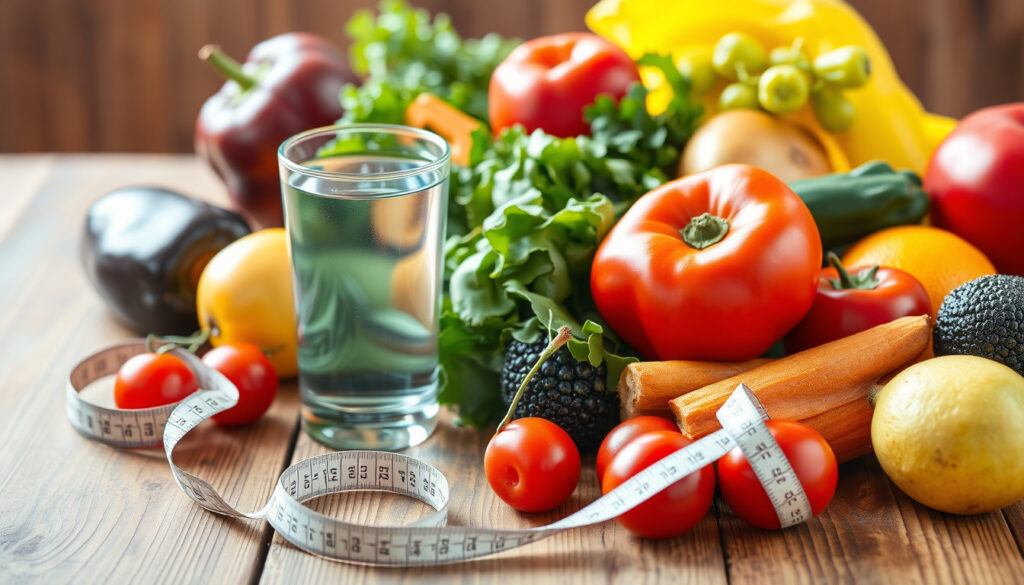
Come Perdere Peso Naturalmente: Simple Natural Weight Loss Guide
Anyone who’s tried to lose weight more than once already knows: the hardest part isn’t starting, it’s keeping it off. Yet the science of natural weight loss is more straightforward than most diets imply. By focusing on a few key levers — the foods to eliminate, the timing of protein, and the quality of your sleep — you can create a calorie deficit that’s both effective and sustainable. This guide lays out the evidence-based steps that outperform fads every time.
Daily caloric deficit for safe weight loss: 500–1000 kcal · Average weight loss per week with deficit: 0.5–1 kg · Percentage of water weight in initial loss: up to 70% · Minimum water intake per day for dieters: 2 liters · Reduction in calorie intake from cutting sugary drinks: 200–500 kcal/day
Quick snapshot
- A daily deficit of 500–750 calories leads to 1–2 lbs loss per week (Mayo Clinic (leading medical center))
- Swapping sugary drinks for water cuts hundreds of calories (NHS (U.K. national health service))
- Eating protein first helps you feel full sooner (UC Davis Health (academic medical center))
- Whether natural supplements like glucomannan produce lasting weight loss (Mayo Clinic (leading medical center))
- The exact interaction between blood pressure medications and weight loss (Mayo Clinic (leading medical center))
- Most people see initial water weight loss within the first week, then fat loss of 1–2 lbs per week (Mayo Clinic (leading medical center))
- After reaching your goal, maintaining weight loss requires sustained habit changes (CDC (U.S. public health agency))
Four key numbers from the research tell the real story.
| Metric | Value | Source |
|---|---|---|
| Daily caloric deficit to lose 0.5–1 kg per week | 500–750 kcal | Mayo Clinic (leading medical center) |
| Weight loss per week at that deficit | 1–2 pounds | Mayo Clinic (leading medical center) |
| Time to feel full after eating | ~20 minutes | UC Davis Health (academic medical center) |
| Recommended sleep per night | 7–9 hours | UC Davis Health (academic medical center) |
The pattern is clear: sustainable loss depends on deficit precision, not quick fixes.
What to eliminate to lose weight quickly?
The quickest wins come from cutting liquid calories — not food. A single 12‑oz soda packs ~150 kcal; swapping it for water saves that many calories with zero effort.
Added sugars and sugary drinks
- Sugary drinks are the largest source of added sugar in the average diet. The NHS (U.K. national health service) recommends swapping them for water, a move that can cut 200–500 kcal per day without changing anything else.
- Cutting added sugars also reduces the urge to snack between meals, as steady insulin levels curb hunger (Mayo Clinic (leading medical center)).
Refined carbs and white flours
- White bread, pasta, and pastries cause rapid blood‑sugar spikes followed by crashes that trigger cravings. Replacing them with whole grains stabilizes energy and appetite (Mayo Clinic (leading medical center)).
- The NHS (U.K. national health service) advises reading food labels and choosing products with more green traffic‑light coding, which often means fewer refined carbs.
Trans fats and fried foods
- Fried foods are calorie‑dense and low in satiety. The CDC (U.S. public health agency) recommends tracking what you eat to spot hidden sources of trans fats.
- Replacing fried items with baked or grilled options can cut 200–300 kcal per meal without feeling deprived.
The implication: eliminating just these three categories can create a deficit of 500+ kcal/day — enough to lose 0.5 kg per week — without counting every bite.
Which foods should you avoid for a flat belly?
The 7 foods to avoid according to nutritional guidelines
- Processed meats (bacon, salami) are high in sodium and saturated fat, which promote bloating and water retention. The WHO (World Health Organization) recommends less than 5 g of salt per day (about 2 g of sodium).
- Cheese and full‑fat dairy can worsen bloating in people with lactose intolerance. Swapping to lactose‑free or plant‑based options helps.
The 10 foods to avoid to debloat the abdomen
- Beans and cruciferous vegetables (broccoli, cabbage) are known to cause gas. The UC Davis Health (academic medical center) suggests eating slowly and allowing 20 minutes for a meal to signal fullness, which also reduces air swallowing.
- Carbonated drinks introduce gas directly into the digestive tract — cutting them out can visibly reduce belly bloat within days (NHS (U.K. national health service)).
Foods that cause bloating and water retention
- High‑sodium condiments (soy sauce, ketchup, salad dressings) cause the body to retain fluid. Reading labels per NHS (U.K. national health service) guidance helps spot hidden salt.
- Alcohol, especially beer, contributes to both bloating and calorie surplus. The CDC (U.S. public health agency) notes that tracking what you drink is as important as tracking food.
The catch: a flat belly is less about eliminating entire food groups and more about managing sodium, fiber, and digestion speed.
What is the most powerful natural fat burner?
No single food or supplement replaces a calorie deficit. But certain compounds can give your metabolism a modest, temporary nudge — enough to tip the scale toward consistent loss.
Green tea and catechins
- Catechins in green tea may increase energy expenditure by 4–5%, according to a study in the American Journal of Clinical Nutrition (peer‑reviewed journal).
- Drinking 3–4 cups of unsweetened green tea per day has been linked to a small but measurable boost in fat oxidation (Mayo Clinic (leading medical center)).
Glucomannan and soluble fiber
- Glucomannan, a soluble fiber, expands in the stomach and creates a feeling of fullness. The NHS (U.K. national health service) cautions that fibers must be taken with plenty of water to avoid blockages.
- Long‑term efficacy remains unclear (Mayo Clinic (leading medical center)).
Capsaicin and chili pepper
- Capsaicin, the compound that makes chili peppers hot, can raise resting metabolic rate for a short time after a meal (American Journal of Clinical Nutrition (peer‑reviewed journal)).
- The effect is modest — about 50–80 extra calories burned per day — but consistent use may add up over weeks.
The pattern: natural thermogenic compounds offer a small edge, not a shortcut. Pair them with a structured deficit for best results.
What is the worst enemy of high blood pressure?
Sodium and hidden salt in foods
- The WHO (World Health Organization) identifies sodium as the primary dietary driver of hypertension, recommending no more than 5 g of salt per day.
- Most sodium comes from processed foods, not the salt shaker. The NHS (U.K. national health service) advises checking traffic‑light labels to spot high‑sodium products.
Saturated fats and cholesterol
- Saturated fats (found in butter, red meat, cheese) raise LDL cholesterol and can stiffen arteries. The CDC (U.S. public health agency) recommends limiting saturated fat to less than 10% of daily calories.
Alcohol and excess caffeine
- Heavy alcohol consumption raises blood pressure and adds empty calories. The NHS (U.K. national health service) suggests reducing alcohol for both weight and heart health.
- Caffeine can cause temporary spikes in blood pressure; limiting to 2–3 cups per day is generally safe (Mayo Clinic (leading medical center)).
The trade-off: cutting sodium and saturated fat simultaneously reduces hypertension risk and belly bloat — a dual benefit for overweight individuals.
How to lose belly fat naturally?
Reduce stress and cortisol
- Chronic stress elevates cortisol, which promotes visceral fat storage. The CDC (U.S. public health agency) recommends identifying support people to help manage stress during weight loss.
- Simple practices like 10‑minute walks or mindfulness can lower cortisol levels without special equipment.
Aerobic exercise and HIIT
- The NHS (U.K. national health service) recommends 150 minutes of activity per week, split into shorter sessions if needed. Combined with HIIT, this approach yields greater fat loss than steady‑state cardio alone.
Regular sleep and recovery
- Sleeping fewer than 6 hours per night is linked to higher waist circumference. UC Davis Health (academic medical center) recommends 7–9 hours of sleep per night for weight management.
- Quality sleep lowers ghrelin (hunger hormone) and supports muscle recovery from exercise.
The implication: belly fat responds best to a combination of sleep, stress management, and exercise — no single fix targets it alone.
Step‑by‑step natural weight loss plan
- Define your personal motivation. The CDC (U.S. public health agency) says start by understanding why you want to lose weight — this fuels consistency.
- Start tracking. Keep a food journal of what you eat, drink, and how you sleep. The CDC (U.S. public health agency) recommends monitoring nutrition, activity, and sleep together.
- Aim for a deficit of 500–750 kcal per day. This leads to 1–2 pounds (0.5–1 kg) of fat loss per week (Mayo Clinic (leading medical center)).
- Eat protein first at meals. UC Davis Health (academic medical center) notes that protein before carbs increases fullness and reduces total intake.
- Swap sugary drinks for water or unsweetened tea. This single switch can cut 200–500 kcal daily (NHS (U.K. national health service)).
- Get 150 minutes of activity per week. Split into walks, runs, or home workouts — consistency matters more than intensity (NHS (U.K. national health service)).
- Prioritize 7–9 hours of sleep per night. UC Davis Health (academic medical center) lists sleep as a core pillar of weight loss.
- Build a support system. Recruit family, friends, or a buddy to keep you accountable (CDC (U.S. public health agency)).
- Evaluate progress and adjust. The CDC (U.S. public health agency) recommends revisiting goals every few weeks and changing your plan if needed.
The upshot: these steps don’t require expensive shakes or meal plans — they rely on simple, repeatable actions backed by government and academic recommendations.
Confirmed facts vs. what’s unclear
Confirmed facts
- Deficit of 500–750 kcal/day leads to 1–2 lbs loss per week (Mayo Clinic)
- Eliminating added sugars reduces intake without conscious effort (NHS)
- Green tea and capsaicin produce a modest, temporary metabolic boost (Am J Clin Nutr)
What’s unclear
- Long‑term effectiveness of natural supplements like glucomannan
- Interaction between hypertension medications and weight loss efforts
- Exact relationship between increased urination and fat loss
What the experts say
“The WHO recommends reducing salt intake to less than 5 g per day to decrease the risk of hypertension and related diseases.”
“A daily energy deficit of 500 to 750 calories generally produces a weight loss of 1 to 2 pounds per week.”
Mayo Clinic (leading medical center) — weight loss overview
“Green tea catechins can increase energy expenditure by 4–5%, contributing to a mild thermogenic effect.”
American Journal of Clinical Nutrition (peer‑reviewed journal) — catechin study
For anyone in the U.S. trying to lose weight naturally, the choice is clear: adopt consistent small habits — calorie awareness, protein timing, sleep, and activity — or continue chasing shortcuts that rarely work. The evidence points to the first path.
digestivecare-specialists.com, aarp.org, universityhealth.com, acponline.org
For those seeking a sustainable approach, exploring proven natural weight loss methods can provide additional science-backed strategies for long-term results.
Frequently asked questions
How long does it take to lose weight naturally?
With a consistent deficit of 500–750 kcal/day, most people lose 0.5–1 kg per week (Mayo Clinic). Water weight may drop faster in the first week.
Which teas help with weight loss?
Unsweetened green tea provides catechins that may boost metabolism modestly (Am J Clin Nutr). Herbal teas like peppermint can aid digestion but don’t directly burn fat.
Is it better to eat 3 large meals or 5 small meals for weight loss?
Meal frequency matters less than total calories. The CDC recommends focusing on what and how much you eat, not how many times.
Does intermittent fasting work for natural weight loss?
Yes, but only because it creates a calorie deficit. The NHS warns against skipping meals if it leads to overeating later.
Does fruit make you gain weight if you’re trying to lose weight?
Whole fruits are low in calorie density and high in fiber. The NHS recommends 5 portions per day as part of a balanced diet.
Does drinking lemon water in the morning help weight loss?
Lemon water is hydrating and low‑calorie, but the Mayo Clinic notes no thermogenic benefit. It can replace sugary morning drinks, which indirectly helps.
Are there specific exercises to target belly fat?
Spot reduction is a myth. The NHS recommends overall activity (150 min/week) combined with HIIT for best results.
More related posts
 Maslow’s Hierarchy of Needs: Tiers & Modern Critiques
 Landscape Supplies Near Me: Irish Topsoil Costs & Design
 Tea Coffee Sugar Canisters NZ – Best Airtight Picks 2025
 New Zealand AEWV Extension Criteria Requirements 2025
 Influenza A Symptoms NZ: Signs & Recovery Timeline
 350 F to C – Accurate Conversion Guide for Baking
 How to Calculate Volume – Formulas for Common Shapes