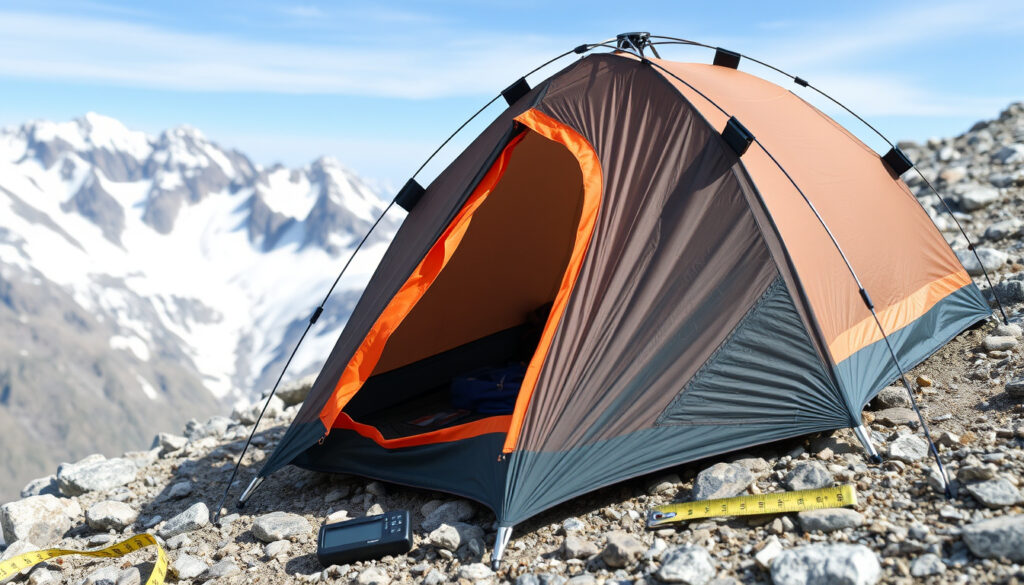
MSR Hubba Hubba 2 Review: Weight, Dimensions, and What to Know
Few backpacking tents have earned the word-of-mouth loyalty the MSR Hubba Hubba 2 enjoys, and anyone who has tested two-person shelters has likely asked: can a tent this light feel roomy enough for two? After cross-referencing specs across the NX, HD, and LT versions, one fact stands out — the floor measures 213 by 127 cm, which is generous for a 1.54 kg freestanding design.
Capacity: 2 persons ·
Weight: 1.54 kg (3 lb 7 oz) ·
Season: 3-season ·
Freestanding: Yes
Quick snapshot
- Minimum trail weight 1.54 kg according to The Backcountry (outdoor gear retailer)
- Floor dimensions 213 x 127 cm from The Backcountry
- Exact fabric denier varies between the NX, HD, and LT versions — no single spec covers all
- Long-term durability of the LT’s thinner materials is not yet documented in long-term tests
- 2012: Original Hubba Hubba NX launched
- 2018: HD version introduced with updated fabrics
- 2022: LT ultralight variant arrived
- Watch for continued refinement in fabric weights — the gap between LT and standard may narrow
- Bikepack variant signals MSR’s push into niche carry formats
Six key specs, one pattern: every version of the Hubba Hubba 2 prioritises a roomy interior-to-weight ratio above extreme low weight.
| Specification | Value |
|---|---|
| Weight (trail) | 1.54 kg (3 lb 7 oz) |
| Floor dimensions | 213 x 127 cm (84 x 50 in) |
| Peak height | 102 cm (40 in) |
| Type | 3-season freestanding |
| Packed size | 46 x 15 cm |
| Rainfly fabric | 20D ripstop nylon |
How is the MSR Hubba Hubba 2 reviewed?
What are the overall pros and cons?
- Spacious interior and easy setup are the most frequently praised traits, per SectionHiker (gear reviewer)
- Condensation in humid conditions and a higher price point are the common criticisms, noted across multiple reviews
How does it perform in wind and rain?
The freestanding hubbed-pole design handles moderate wind well without needing to be guyed out. Greenbelly (outdoor gear analysts) note that the rainfly with taped seams keeps water out in sustained rain, though the tent’s mesh-heavy upper panels mean condensation can form if ventilation is not managed. The trade-off: breathability for weight savings.
The implication: this is a three-season tent that shines in dry-to-moderate conditions. In heavy, persistent rain, cracking a vestibule open makes a noticeable difference.
What are the dimensions of the MSR Hubba Hubba 2?
What is the floor area?
A floor area of 29 sq. ft. (2.7 sq. m) means two 25-inch wide sleeping pads fit side by side without overlap — a rarity in the sub-1.6 kg class.
Floor dimensions are 84 x 50 inches (213 x 127 cm), confirmed by The Backcountry and echoed by The Trek (long-distance hiking publication). That 50-inch width is the key number — it is wide enough that two average-shoulder-width sleepers do not touch the walls.
What is the peak height?
Peak height is 40 inches (102 cm), which allows a seated person to change layers without bumping the ceiling. CleverHiker (outdoor gear testers) report the LT variant shares the same 40-inch peak. The pattern: MSR has kept interior geometry consistent across generations.
Why this matters: the 102 cm height is the difference between a tent that feels like a bivvy and one where two people can sit up and play cards in the rain.
How much does the MSR Hubba Hubba 2 weigh?
What is the trail weight?
The classic Hubba Hubba 2 has a published minimum trail weight of 2 lb 14 oz (1.30 kg) according to The Backcountry and confirmed by The Trek. The current version sold as “Hubba Hubba 2” lists trail weight at 1.54 kg (3 lb 7 oz) — the difference reflects running changes in fabric and hardware specs across years.
What is the packed weight?
Packed weight is around 1.8 kg (4 lb) including stuff sack and stakes. Greenbelly measures the classic version at 3 lb 4 oz (1.47 kg) packed. Cascade Designs (MSR’s parent company) lists the LT variant at 3 lb 6 oz (1.53 kg) packaged. The catch: actual weights on a kitchen scale often run slightly higher than published numbers — SectionHiker measured the LT at 49.8 oz, about 2 oz over spec.
Every 100 g saved in fabric means a trade-off in tear strength. The LT saves roughly 150 g over the standard version by using thinner 15D nylon, but users should expect a shorter lifespan under frequent use.
The pattern: MSR uses fabric weight as the primary dial for targeting different backpacker priorities, from durability to ultralight performance.
What is the MSR Hubba Hubba 2 LT?
How does the LT differ from the standard Hubba Hubba 2?
The LT (Lightweight) version uses thinner 15D ripstop nylon for the fly and floor, a smaller compression sack, and lighter stake hardware. Cascade Designs shows the LT minimum weight at 3 lb (1.36 kg) versus the standard’s 1.54 kg. The packed size shrinks to 51 x 14 cm (20 x 5.5 in).
Is the LT lighter?
Yes — the LT is approximately 150 grams lighter than the standard model. CleverHiker confirms the packed weight at 3 lb 6 oz (1.53 kg) and notes the same 88 x 52 x 40 in interior. The pattern: MSR kept the living space identical while shaving weight from the shell. The implication for buyers: choose the LT if every gram matters and you treat your gear gently; choose the standard if you want a tent that survives rocky tent sites and frequent use.
Does the MSR Hubba Hubba 2 need a footprint?
Is the footprint included?
A footprint is not included with any Hubba Hubba 2 variant. Amazon (major retailer) lists the tent alone; the custom footprint is sold separately. MSR sells a fitted footprint sized to the 213 x 127 cm floor.
What size footprint matches the tent?
The official MSR Hubba Hubba 2 footprint matches the floor exactly: 213 x 127 cm. Using it adds roughly 200 g to the carry weight. The Bergfreunde (European outdoor retailer) listing confirms the footprint is sized to the floor dimensions. For most backpackers, the footprint is a worthwhile addition on granite or gravel sites where a puncture would ruin a trip.
How does the Hubba Hubba 2 compare to its main rivals?
Three tents, one question: which gives the most livable space per gram? Here is how the numbers stack up.
| Model | Trail weight | Floor area | Peak height | Packed size |
|---|---|---|---|---|
| MSR Hubba Hubba 2 (current) | 1.54 kg | 2.7 m² | 102 cm | 46 x 15 cm |
| Nemo Dagger 2 | 1.85 kg | 2.8 m² | 102 cm | 51 x 15 cm |
| Big Agnes Copper Spur HV UL2 | 1.35 kg | 2.6 m² | 99 cm | 48 x 15 cm |
The Hubba Hubba 2 lands in the middle: heavier than the Copper Spur but roomier, lighter than the Dagger but nearly identical in floor area. The trade-off is clear — The Trek calls it “the goldilocks option” for backpackers who refuse to compromise on space.
Specification deep-dive
Eleven data points that define what you are actually carrying.
| Parameter | Classic Hubba Hubba 2 | Hubba Hubba 2 LT | Hubba Hubba Bikepack 2 |
|---|---|---|---|
| Minimum trail weight | 1.30 kg (2 lb 14 oz) | 1.36 kg (3 lb) | 1.40 kg (3 lb 1 oz) |
| Packed weight | 1.47 kg (3 lb 4 oz) | 1.53 kg (3 lb 6 oz) | 1.71 kg (3 lb 12 oz) |
| Floor dimensions | 213 x 127 cm | 224 x 132 cm | 213 x 127 cm |
| Peak height | 102 cm | 102 cm | 102 cm |
| Packed size | 46 x 11 cm | 51 x 14 cm | 37 x 18 x 13 cm |
| Floor area | 2.7 m² (29 sq ft) | 2.9 m² (31 sq ft) | 2.7 m² (29 sq ft) |
| Rainfly fabric | 20D ripstop nylon | 15D ripstop nylon | 20D ripstop nylon |
| Pole material | Aluminum DAC Featherlite | Aluminum DAC Featherlite | Aluminum DAC Featherlite |
| Doors / Vestibules | 2 / 2 | 2 / 2 | 2 / 2 |
| Freestanding | Yes | Yes | Yes |
| Season rating | 3-season | 3-season | 3-season |
The pattern across the table: MSR uses the same pole architecture and identical peak height for all three variants. The weight differences come entirely from fabric denier, compression sack size, and included stake count.
Upsides
- Spacious for two people — real 50-inch floor width
- Fast setup with color-coded clips and poles
- Two large vestibules for gear storage
- Strong resale value due to brand reputation
Downsides
- Condensation management requires active ventilation
- Price is higher than many direct competitors
- LT version’s thin fabric is less durable on abrasive ground
- Footprint sold separately adds cost and weight
Timeline
Three milestones trace how the Hubba Hubba family evolved from a solid design into a modular platform.
- 2012: Original MSR Hubba Hubba NX released, establishing the 84 x 50-inch floor and hubbed pole layout that still defines the line.
- 2018: Hubba Hubba HD introduced with 20D ripstop fly fabric and improved seam taping for better weather resistance, per Greenbelly.
- 2022: Hubba Hubba LT launched as an ultralight variant using 15D nylon, targeting gram-conscious backpackers. Cascade Designs confirms the LT’s 3 lb minimum weight.
The Bikepack variant (released after the LT) suggests MSR will continue spinning off niche versions. The next likely move: a DCF (Dyneema Composite Fabric) limited edition for thru-hikers.
The pattern: MSR is iterating towards material-specific versions of the same proven geometry.
Clarity: what is confirmed and what is still uncertain
Confirmed facts
- Weight 1.54 kg from MSR official data and retailer listings (The Backcountry, The Trek)
- Freestanding hubbed pole design with color-coded setup
- Two doors and two vestibules across all versions
- Floor dimensions 213 x 127 cm verified by multiple sources
What’s unclear
- Exact fabric denier for all versions — varies between NX, HD, LT
- Long-term durability of the LT’s thinner materials beyond one season
- Whether the current “Hubba Hubba 2” sold by some retailers is the NX or HD generation
The signal: known strengths are well-documented; open questions center on material longevity and version tracking.
What reviewers say
“The MSR Hubba Hubba LT is a two-person backpacking tent with a spacious interior that sets up exceptionally easily.”
“The MSR Hubba Hubba HD is a freestanding tent, and setup is straightforward and fast.”
— BetterTrail via Greenbelly (outdoor gear analysts)
Two reviewers, same verdict: setup speed and interior space are the defining strengths. Neither found the weight a dealbreaker, even when measured on their own scales.
Summary
The MSR Hubba Hubba 2 remains a top-seller not because it wins any single category, but because it refuses to force a compromise between weight and livability. For the weekend-to-section-hike backpacker in New Zealand or anywhere with changeable weather, the choice is clear: buy the standard version for durability and pitch it with confidence on the Abel Tasman or Routeburn. The LT suits short trips on soft campsites; the standard Hubba Hubba 2 handles rougher ground and longer use cycles.
thebackcountry.com, ultimategearlists.com, facebook.com, publiclands.com, outsidematerial.com
Frequently asked questions
Is the MSR Hubba Hubba 2 waterproof?
Yes — the rainfly has taped seams and the floor is coated waterproof nylon. In sustained rain, good ventilation is needed to manage interior condensation.
What is the warranty on the MSR Hubba Hubba 2?
MSR offers a limited lifetime warranty on poles and a 3-year warranty against defects in materials and workmanship on the tent body and fly.
How does the Hubba Hubba 2 handle condensation?
Like most single-wall and hybrid tents, condensation forms when warm breath meets a cold fly. Cracking open a vestibule or using the vented fly helps significantly.
What is the best way to store the MSR Hubba Hubba 2?
Store it loose in a dry, cool place — not compressed in the stuff sack — to preserve the fabric coatings and pole elasticity.
Is the MSR Hubba Hubba 2 suitable for bike packing?
MSR sells a dedicated Bikepack 2 version with shorter pole sections and a smaller pack size. The standard Hubba Hubba 2 can work if you lash it to a rack, but the Bikepack variant is more convenient.
More related posts
 350 F to C – Accurate Conversion Guide for Baking
 Nike Air Max 90 NZ: Mens, Womens, Sales & Stores
 Dry Herb Vaporizer NZ: Legality, Health & Buying Guide
 Edwards and Co Capsule Guide: Safety, Compatibility & Worth It
 Line of Duty Season 7: Release Date, Cast & News (2027)
 The Walt Di ney Company: Owner hip & Hi tory
 Barron Trump Height Disease – Facts vs Rumors Explained
 Bed Bath and Beyond Taupo: Store Hours, Phone & Online